At our Oct. 5 Rotary meeting, Keith gave the inspiration focused on Economic and Community Development. See read more for text.
Our Speaker was Bryan Hennessey from the Ferndale Rotary Club, the 2026 Volunteer of the Year for the Whatcom Land Trust, who gave a fascinating talk:
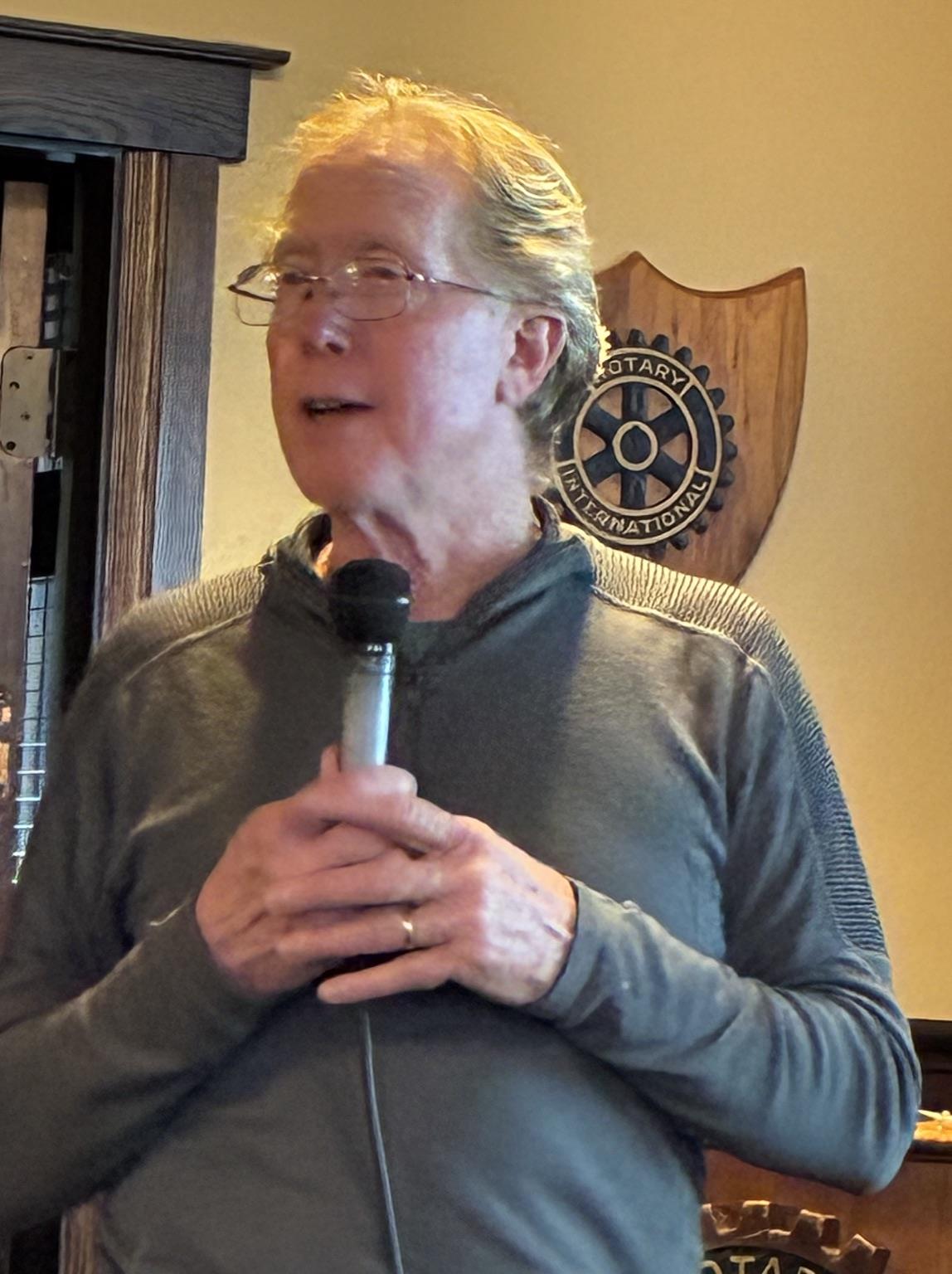
Free Native Plants 2026
He started with the question: What if native plants were free to everyone? Bryan founded the Free Native Plants Initiative in Whatcom County. He is an active member of the Rotary Environmental Sustainability Action Group. Bryan got into Native plants because of the rate at which Co2 is going up in the atmosphere.
Native plants, according to Bryan, are plants that have evolved to work in our ecosystem. Native plants are beneficial to all concerned.
The simple benefits of more native plants:
- Photosynthesis, storing carbon and releasing oxygen, all while making food that keep us alive.
- Respiration and photosynthesis are opposite chemical reactions!
- Soil health, stabilize the topsoil, exchange nutrients with the soil, and add organic matter/carbon to the soil.
- Feed the insects that feed the ecosystem and animals.
- Attract and feed all pollinators: bees, butterflies, hummingbirds, and more
Bryan and the Ferndale Rotary hold free planting sessions with kids. The kids fill a paper container with soil and then put in a big leaf lupine seed or two and water. Then they take the plant home and watch the seed sprout. Later they can plant the lupine outside.
Then, Bryan started giving potted plants to adults. In fact, he brought trees in pots to give to members of our club.
Because of his work, a nursery gave Bryan 2,000 shrub plants which he and others gave away.
Why Free Native Plants
- People love plants, and people will put them in the ground.
- The benefits of native plants are proven and extensive.
- There is NO NEGATIVE to putting native plants in the ground.
- There are no plants without soil, and without plants topsoil washes away.
- Meadowscape your lawn, also called regreening, or Kill Your Lawn movement, requires native plants so they should be free.
This link will take you to a site where you can put in a zip code and find native plants and butterflies for your area:
https://nativeplantfinder.nwf.org/
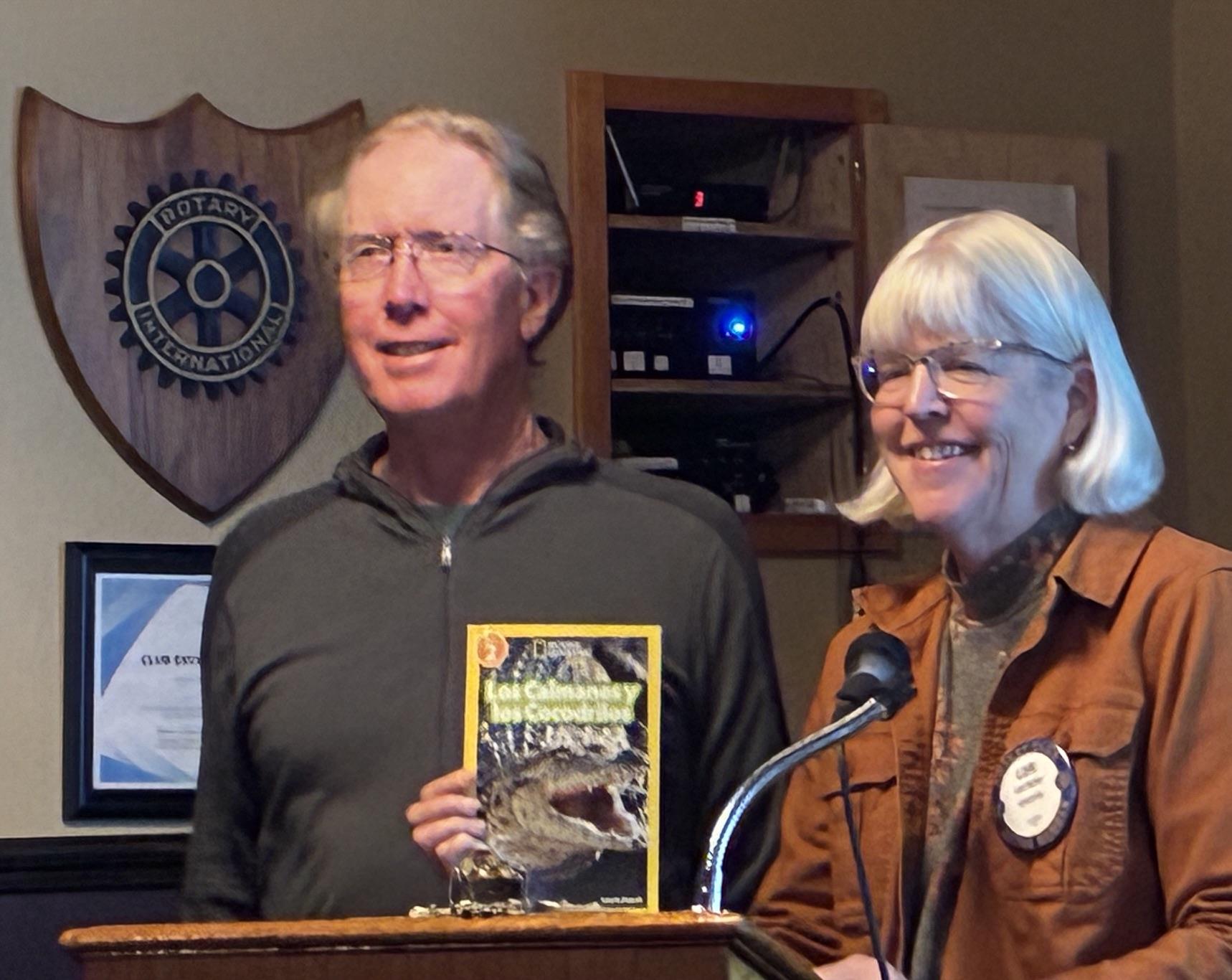
There are many websites and even Facebook sites for native plants. Just put “native plants by zip code” in your search engine
Other Notes
Holly Witte, a lapsed Rotarian from Seattle 4, who now resides in La Conner and is part of the Arts Commission and was announced for a final time and will become a member in our club and a guest no longer.
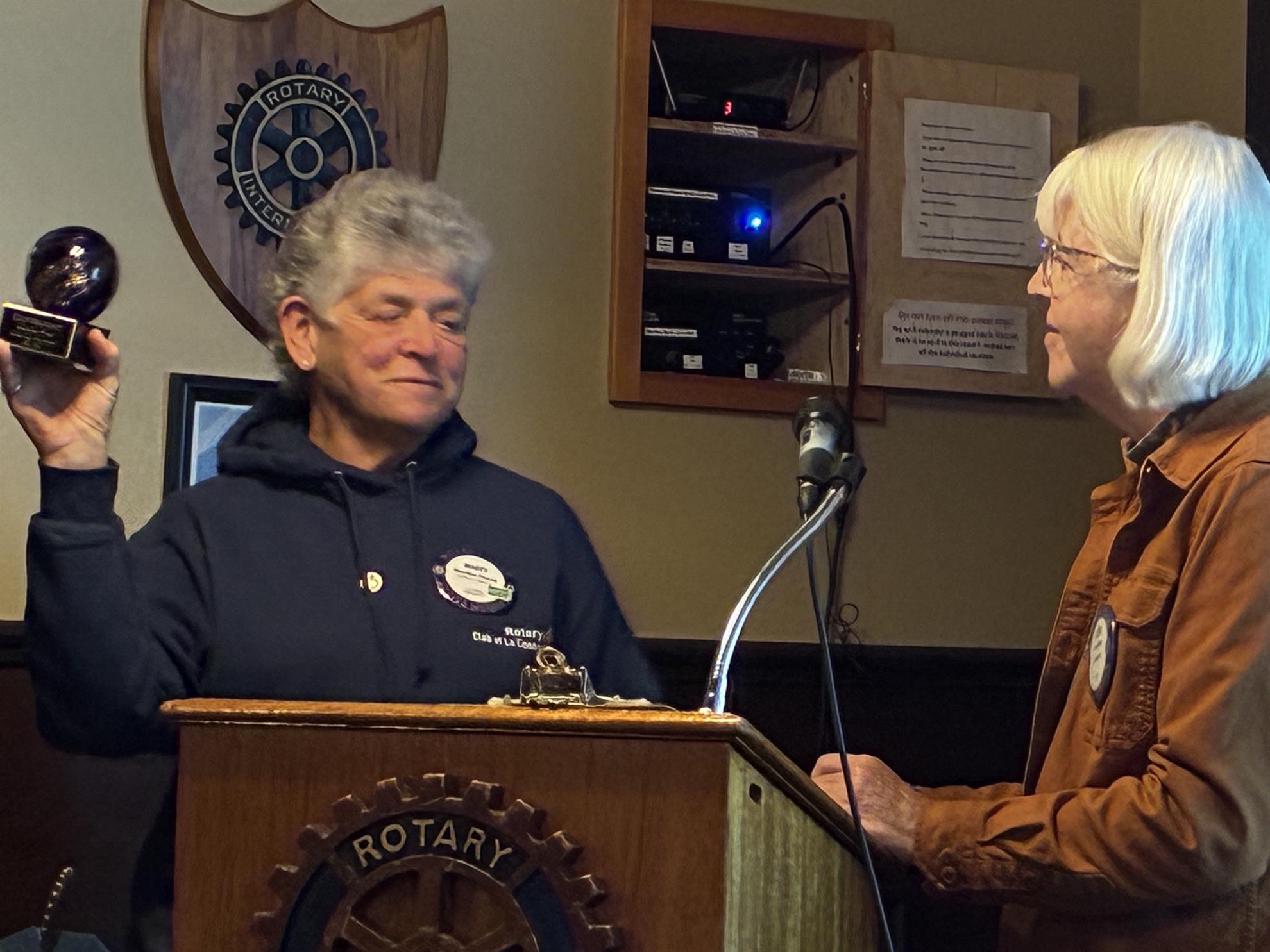
Past president Marty was belatedly given a gift from president Lori.
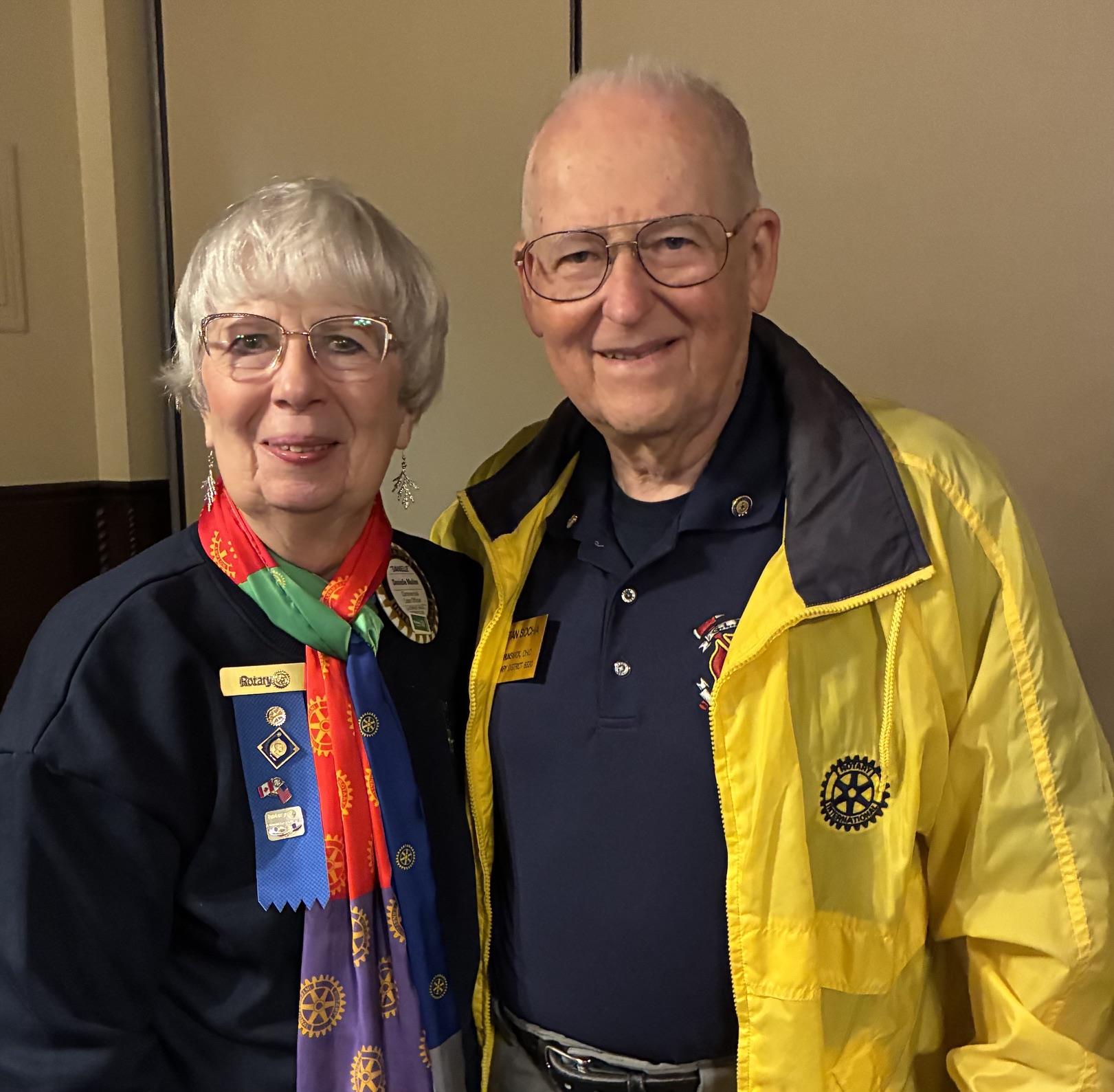
Stan Socha, an active Rotarian from Brunswick, Ohio, was a guest.
Calendar
Saturday, October 17, 10am: Work party at Camp Kirby with the YES kids.
Saturday, October 17, 5:30m Skagit County Humane Society Auction, Swinomish Casino.
Saturday, October 24: World Polio Day
Tuesday, October 27: Blood drive at La Conner High School Gym
Saturday, December 5: Santa Breakfast
This month, Rotary focuses on Economic and Community Development. It's easy to think of infrastructure and microloans. But behind all of those is something more fundamental: people, and the values that let communities thrive.
Three of those values are gratitude, kindness, and empathy.
We start with gratitude. Our community succeeds because of an invisible scaffolding of volunteers, mentors, teachers, and leaders who give their time to lift others up.
Then we put kindness and empathy into action. True development is simply empathy with a blueprint.
For our club, we build that foundation by helping at Helping Hands Food Bank, making sure no family has to face economic hardship on an empty stomach. We build it when we support early literacy through Dolly Parton’s Imagination Library, giving children a foundation for learning before they ever enter a classroom. And we build it when we put dictionaries into the hands of third graders—literally placing tools for future academic and economic success into their hands.
These may seem like small acts. But community development rarely begins with something grand. It begins when people decide that someone else’s future matters—and then do something about it.